 IDA Pacific
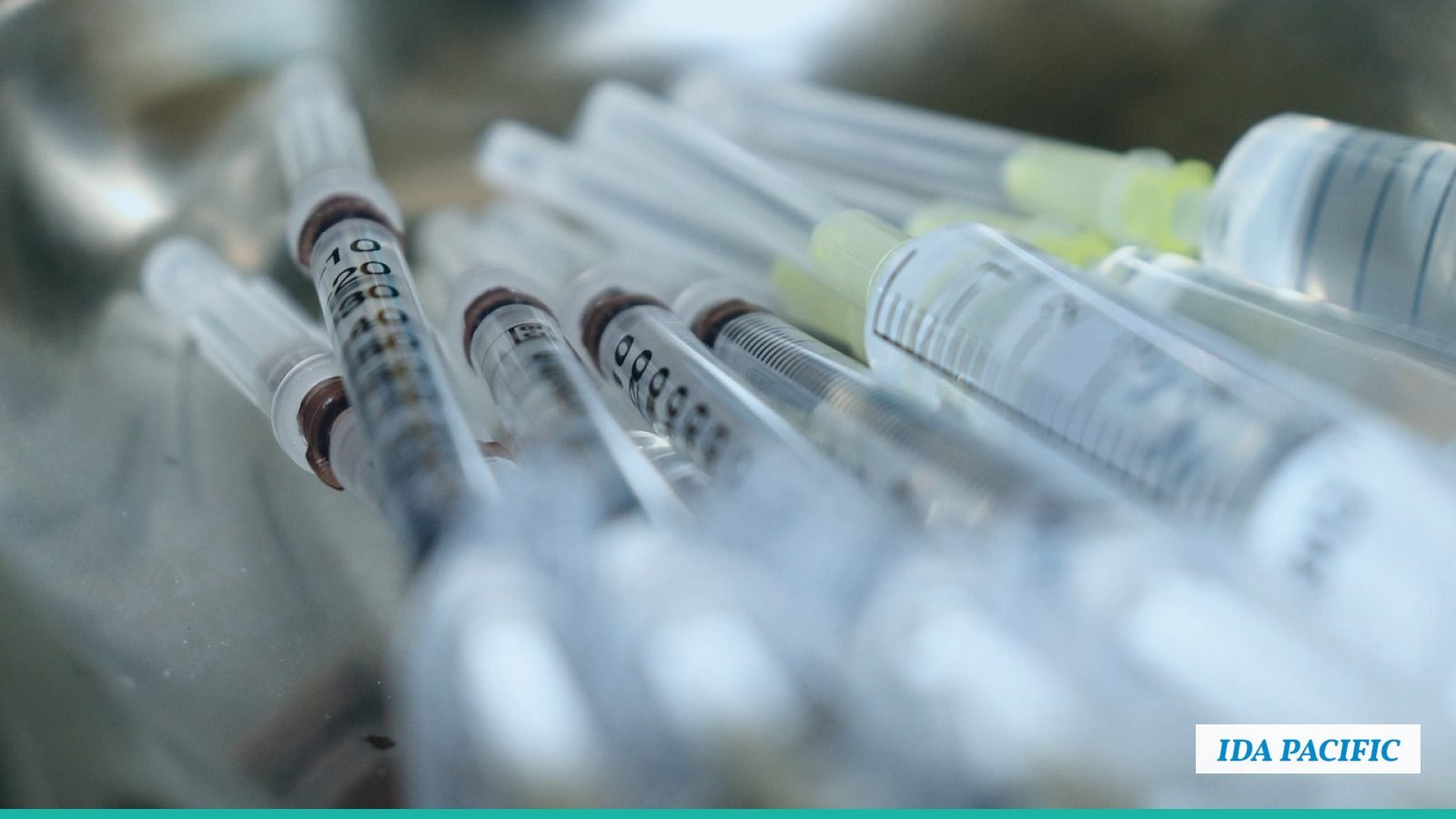
Knowing how to choose disposable syringe sizes is one of the simplest ways a Pacific clinic or pharmacy can cut waste, avoid stock-outs and keep procedures safe. Syringes look like a commodity, but the wrong mix of volumes, tips and needles leads to inaccurate measurement, unused cartons in the storeroom and urgent reorders when a remote health post runs short.
This guide is written for buyers and health professionals across Vanuatu, the Solomon Islands, Papua New Guinea, Fiji and the wider Pacific. It covers the decision criteria, a practical syringe sizes chart, the difference between insulin and standard syringes, and how to plan quantities. You can browse our full range of medical supplies and consumables as you read.
Why Knowing how to Choose Disposable Syringe Sizes Matters for Pacific Facilities
In island settings, supply lines are long and freight is irregular. A facility that orders only one or two syringe sizes may find itself improvising, using a 10 mL barrel to draw a small volume. That reduces measurement accuracy, because graduation marks on large barrels are spaced further apart.

Getting the size mix right also matters for budgets. Larger syringes cost more per unit to buy and ship, and they take up more shelf space. Over-ordering bulky sizes ties up cash and storage, while under-ordering small sizes creates clinical risk. A clear sizing policy helps you avoid both problems.
- Accuracy: the right barrel size means the measured volume uses most of the scale.
- Safety: correct needle and tip choices reduce needlestick injuries and leakage.
- Cost control: matching stock to real usage reduces waste and expired cartons.
- Continuity: outer-island posts can work for weeks between deliveries.
Rule 1: Match the Barrel Volume to the Volume You Need
The core principle is simple: pick the smallest syringe that comfortably holds the full volume to be measured. Many clinicians aim for the required volume to fill a good proportion of the barrel, which makes the graduations easier to read precisely.
As general guidance, a volume that sits near the very bottom of a large barrel is harder to measure accurately than the same volume in a smaller syringe. Leave a little headroom for air removal and mixing where needed, but avoid jumping several sizes up. Your prescribers and clinical protocols should always define the actual volumes used; this guide covers procurement, not dosing.
Common Disposable Syringe Volumes
- 0.5 mL and 1 mL: small, finely graduated; used for vaccines, tuberculin testing and other small volumes.
- 2 mL and 3 mL: everyday injection sizes in most clinics.
- 5 mL: reconstitution, larger injections and flushes.
- 10 mL: flushing lines, reconstitution and drawing up larger volumes.
- 20 mL: irrigation, aspiration and larger-volume preparation.
- 50/60 mL: wound irrigation, feeding (with enteral tips), syringe drivers and catheter use.
Syringe Sizes Chart for Clinics and Pharmacies
The syringe sizes chart below summarises typical uses, graduation detail and where each size is usually stocked. Use it as a starting point for your own formulary, and adjust to your facility’s protocols.

| Size | Typical graduations | Common uses | Typical setting |
|---|---|---|---|
| 0.5–1 mL | Very fine (0.01 mL) | Vaccines, intradermal testing, small volumes | Immunisation clinics, pharmacies |
| 2–3 mL | Fine (0.1 mL) | Routine intramuscular and subcutaneous injections | Health centres, dispensaries |
| 5 mL | 0.2 mL | Reconstitution, larger injections | Wards, outpatient rooms |
| 10 mL | 0.2–0.5 mL | Flushes, drawing up, reconstitution | Wards, emergency rooms |
| 20 mL | 1 mL | Aspiration, irrigation | Theatres, emergency |
| 50/60 mL | 1–2 mL | Irrigation, feeding (enteral tip), drivers | Hospitals, wound care |
Graduation intervals vary between product lines, so always check the barrel markings on the products you buy. When standardising, try to stay with consistent product lines so staff are familiar with the scale.
Insulin Syringe vs Regular Syringe: Key Differences
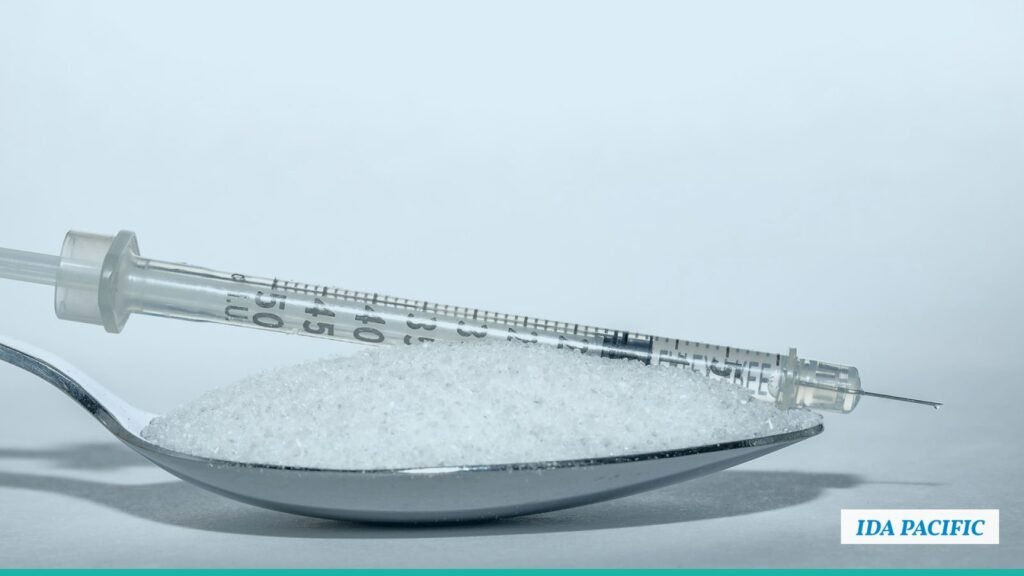
The question of insulin syringe vs regular syringe comes up often in pharmacies that serve people managing diabetes. They are not interchangeable, and confusing them is a recognised source of medication errors.
- Units, not millilitres: insulin syringes are marked in insulin units and calibrated to a specific insulin concentration (commonly U-100). Regular syringes are marked in mL.
- Fixed needle: most insulin syringes have a permanently attached fine, short needle with low dead space.
- Volumes: typically 0.3 mL, 0.5 mL and 1 mL barrels.
- Packaging: often sold in packs suited to patient self-use and retail.
For buyers, the practical point is to store insulin syringes in a clearly separated location and label shelves well. Pharmacies should confirm the concentration printed on the syringe matches the products dispensed. Clinical questions about use belong with the prescriber.
Tuberculin and Low Dead Space Syringes
Tuberculin-style 1 mL syringes are marked in mL with fine graduations and are sometimes confused with insulin syringes. Low dead space designs are used in vaccination programmes to reduce wasted vaccine. If you supply immunisation programmes, check programme specifications, which are often based on World Health Organization guidance, before ordering.
Rule 2: Choose the Right Tip Type
After volume, the tip is the next decision. It determines what the syringe connects to and how secure that connection is.
- Luer lock: the needle or line twists on and locks. Preferred where secure connections matter, such as IV lines and high-pressure use.
- Luer slip: push-fit connection; quick and economical for routine injections.
- Catheter tip: tapered tip for catheters, irrigation and wound care, usually on 50/60 mL syringes.
- Eccentric tip: off-centre tip that keeps the needle closer to the skin, helpful for venepuncture.
- Enteral (ENFit-style) tip: designed for feeding tubes to prevent wrong-route connections.
Many Pacific hospitals stock Luer lock for larger sizes and Luer slip for routine small injections. Keep enteral syringes physically separate from injection syringes.
Rule 3: Pair Syringes With the Correct Needle Gauge and Length
Syringe and needle are often bought separately. Gauge (G) describes diameter: the higher the number, the finer the needle. Length is chosen by injection route and patient size, according to clinical protocol.
General Needle Groupings
- Fine gauges (around 25–27G): commonly used for subcutaneous and intradermal injections.
- Mid gauges (around 21–23G): commonly used for intramuscular injections and blood draws.
- Wide gauges (around 18–19G): often used as drawing-up or filter needles for vials and ampoules.
Needle hubs are typically colour-coded by gauge, though colours vary between standards and product lines. Train staff to read the printed gauge, not only the colour. Combined syringe-and-needle packs simplify stock for small posts with limited storage.
Rule 4: Consider Safety-Engineered Syringes
Safety syringes include auto-disable (AD) designs that lock after one use, and retractable or shielded needles that reduce needlestick risk. WHO has encouraged the use of safety-engineered syringes for injections, and immunisation programmes commonly specify AD syringes.
They usually cost more per unit than conventional syringes, so many facilities prioritise them for vaccination, community outreach and high-risk areas. Factor in sharps disposal too: whatever you buy, order enough sharps containers to match syringe volumes.
Rule 5: Check Sterility, Packaging and Shelf Life
Every disposable syringe should be single-use, sterile and individually packed, with a clear batch number and expiry date. In humid tropical storerooms, packaging integrity matters. Look for intact blister packs, sealed outer cartons and legible labelling.
- Store off the floor, away from direct sun and moisture.
- Rotate stock on a first-expiry, first-out basis.
- Inspect a sample of each delivery for damaged seals.
- Keep batch records so you can respond to any product notice.
IDA Pacific’s supply chain is certified for GMP, GDP and ISO 9001. Read more on our quality standards page.
Rule 6: Plan Quantities by Facility Type
The right mix depends on what your facility actually does. Use consumption records from the last few months as your baseline, then add a buffer for freight delays and cyclone season.
| Facility | Core sizes to prioritise | Notes |
|---|---|---|
| Community pharmacy | Insulin syringes, 1 mL, 3 mL | Retail packs, clear shelf separation |
| Rural health post | AD syringes, 2–5 mL, drawing-up needles | Combined packs save space |
| Health centre / clinic | 1, 3, 5, 10 mL with matching needles | Add catheter tip for wound care |
| Hospital ward | Full range incl. 20 and 50/60 mL Luer lock | Separate enteral syringes |
| Immunisation programme | AD/low dead space 0.5–1 mL | Follow programme specifications |
Cost Factors to Weigh
- Unit cost by size and feature: safety and Luer lock designs usually cost more.
- Freight volume: large syringes are bulky; shipping by volume adds up.
- Pack format: bulk cartons are cheaper per unit but harder for small sites to store.
- Waste: expired or unused sizes are a hidden cost.
Wholesale prices are shown only to approved trade customers, so open an account to compare options accurately.
Rule 7: Standardise and Document Your Choices
The final rule in how to choose disposable syringe sizes is to write it down. A short formulary listing approved sizes, tips and needles reduces errors and makes reordering faster.
- List every procedure that uses a syringe.
- Assign the preferred size, tip and needle to each.
- Set minimum and reorder levels per item.
- Review quarterly against actual usage.
- Train new staff using the list and your syringe sizes chart.
Align syringe stock with the medicines you hold; for example, check vial and ampoule sizes in our essential medicines range and reference the WHO Essential Medicines Lists when planning.
Ordering Syringes From a Pacific Wholesaler
IDA Pacific has supplied the Pacific for 16 years and supplies 13 countries. Stock is held in our own Port Vila warehouse for short lead times, which helps facilities in Vanuatu and neighbouring nations restock without waiting on long international shipments. See how ordering works for consolidated orders.
Conclusion
Learning how to choose disposable syringe sizes comes down to seven rules: match volume, choose the tip, pair the needle, consider safety designs, check packaging, plan by facility type and standardise. With a clear syringe sizes chart and an understanding of insulin syringe vs regular syringe differences, your team can order with confidence. Explore our medical supplies range, then open a trade account to view wholesale pricing and place your order.
Frequently asked questions
What is the most commonly stocked disposable syringe size?
For most clinics, 3 mL and 5 mL syringes are the everyday workhorses, followed by 1 mL and 10 mL sizes. The best mix depends on your procedures, so review consumption records and your clinical protocols. Pharmacies serving people with diabetes will also need insulin syringes, which should be stored separately from standard mL-graduated syringes.
Can a regular 1 mL syringe replace an insulin syringe?
They should not be treated as interchangeable. Insulin syringes are graduated in insulin units for a specific concentration, while regular syringes are marked in millilitres. Substituting one for the other is a known source of medication errors. Stock both clearly labelled and refer any clinical questions about use to the prescriber or pharmacist responsible.
Should we buy Luer lock or Luer slip syringes?
Luer lock syringes twist and lock onto needles and lines, making them preferable for IV access and situations where secure connection matters. Luer slip syringes are push-fit and economical for routine injections. Many facilities stock both: Luer lock for larger sizes and line use, Luer slip for small everyday injections.
How do we store syringes in a humid tropical climate?
Keep cartons off the floor on shelving, away from direct sunlight, roof leaks and damp walls. Use first-expiry, first-out rotation and inspect packs for damaged seals before use. Sealed outer cartons offer extra protection in humid storerooms, and keeping batch records helps you respond quickly to any product notice.
How can we see wholesale prices for syringes from IDA Pacific?
Wholesale prices are shown only to approved trade customers. Pharmacies, clinics, hospitals, NGOs and health programmes can apply through the open trade account page. Once approved, you can view pricing, compare sizes and pack formats, and order from stock held in the Port Vila warehouse.